
Celebrating Pongal with Festive Food and Cultural Traditions in 2026
Pongal is a harvest celebration that many families associate with gratitude, renewal and the comfort of sharing a meal at home. The festival is widely recognised for the symbolic cooking moment when milk and rice rise to a lively boil and overflow, a gesture that represents abundance and a positive beginning. In 2026, Pongal continues to feel especially relevant because it is created through simple actions that make the day meaningful: preparing the home, cooking with care and spending time together.
The festival is celebrated most prominently in Tamil Nadu and is also observed across several parts of South India in local variations. Tamil communities worldwide celebrate it as well, often adapting the rituals to modern schedules and smaller kitchens while keeping the same spirit. Whether the gathering is large or quiet, the day is usually remembered by how it feels when the food is served and shared.
Pongal celebrations and home traditions
Pongal observance typically follows a structured flow that helps the day feel calm and purposeful. Homes are readied, entrances are decorated, elders are greeted, and time is set aside for family meals. Many households prefer to plan fewer dishes and execute them well, because the festival experience is defined more by warmth and timing than by volume.
The symbolic cooking ritual
The cooking ritual of boiling milk and rice until it overflows is treated as a sign of plenty. It also creates a moment of shared focus, bringing family members together before the meal begins. Even in modern routines, this single ritual communicates the essence of the festival: gratitude, abundance and togetherness.
The Pongal meal and why it works
A Pongal meal is built around comfort, balance and ease of sharing. The menu typically includes a savoury centre dish, a sweet element and accompaniments that add contrast. The success of the meal is usually determined by texture and aroma rather than by complexity.

Savoury and sweet centrepieces
Savoury pongal is valued for its warm, soft texture and its aromatic tempering. Sweet Pongal is valued for its gentle richness and festive finish. In both cases, the goal is cohesion: a dish that is spoon friendly, balanced and pleasant even after resting.
Supporting elements that complete the plate
A tangy accompaniment such as sambar balances richness and makes the plate feel complete. A fresh chutney adds lift. A crisp side adds contrast, which is especially important because many Pongal dishes are soft in texture.
Rice choices for Pongal cooking
Rice selection shapes the final character of Pongal. Aroma, grain texture and how the rice holds after cooking will affect the dish, especially when serving guests.
A classic rice option
For a familiar, comfort focused Pongal, a fragrant rice that cooks into a soft, cohesive texture is often preferred. A practical suggestion here is Aachi Thooyamalli Rice, which supports a tender mouthfeel and carries tempering flavours cleanly. The key execution points are cooking until fully tender and managing moisture so the Pongal stays pleasant after resting.
A distinctive variation
A darker, more grain forward rice can be used for Pongal as a special variation, but it should not be presented as the default expectation of traditional Pongal. The flavour will be naturally nutty, the colour will be deeper and the cooking process often benefits from soaking and patient simmering. If you want a festival highlight dish with a different look and taste profile, Aachi Karuppu Kavuni Rice can be suggested with the right expectations.

The importance of Ghee in festival cooking
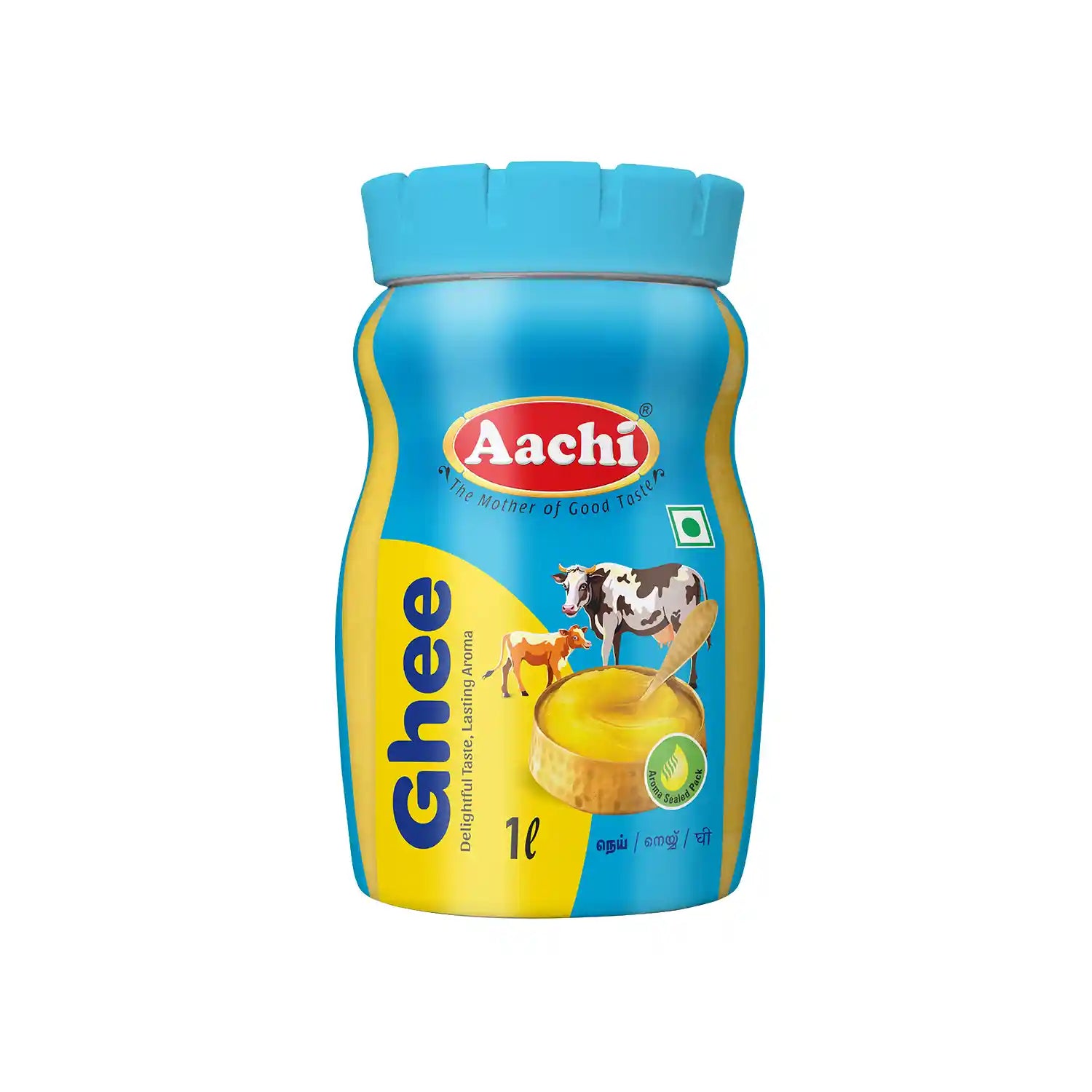
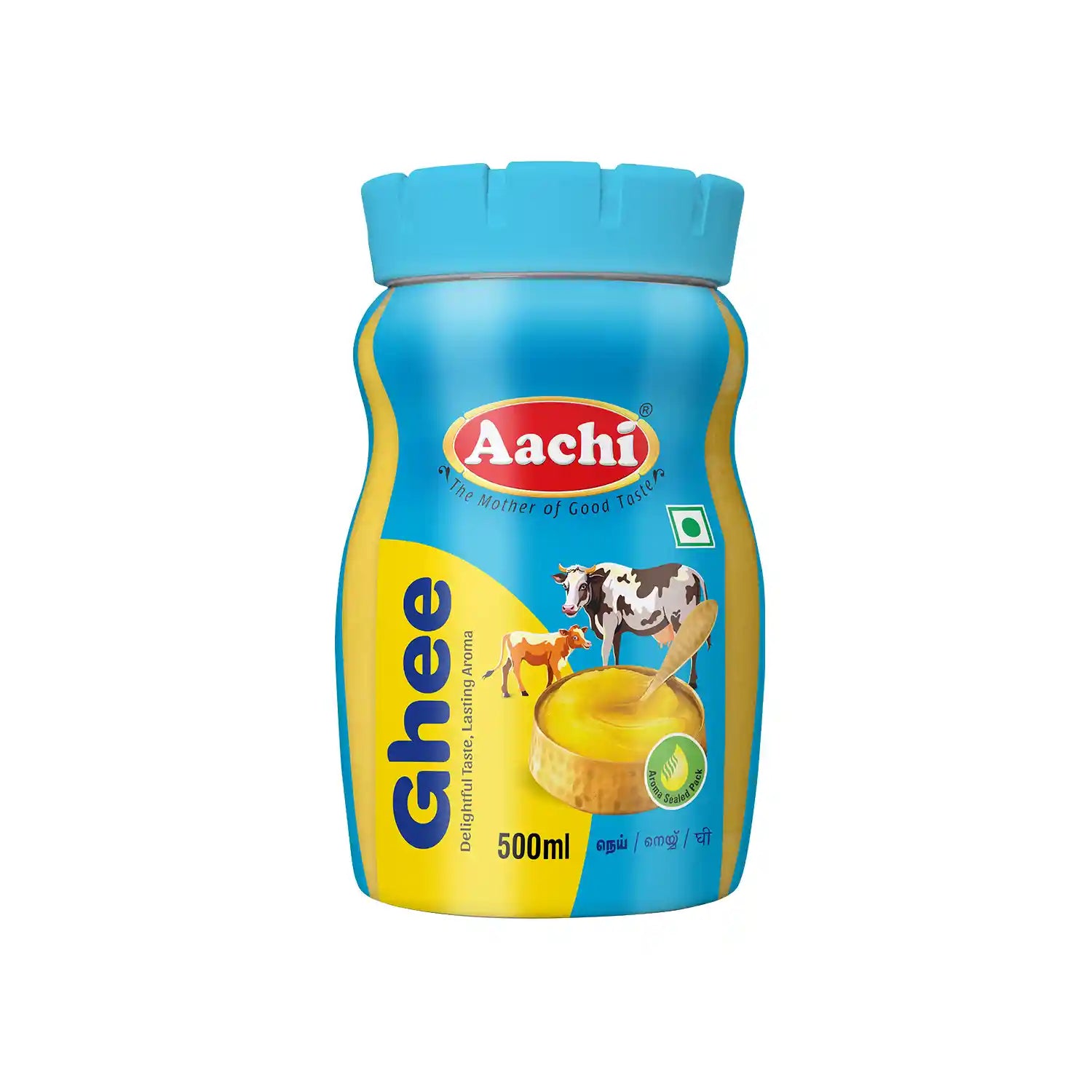
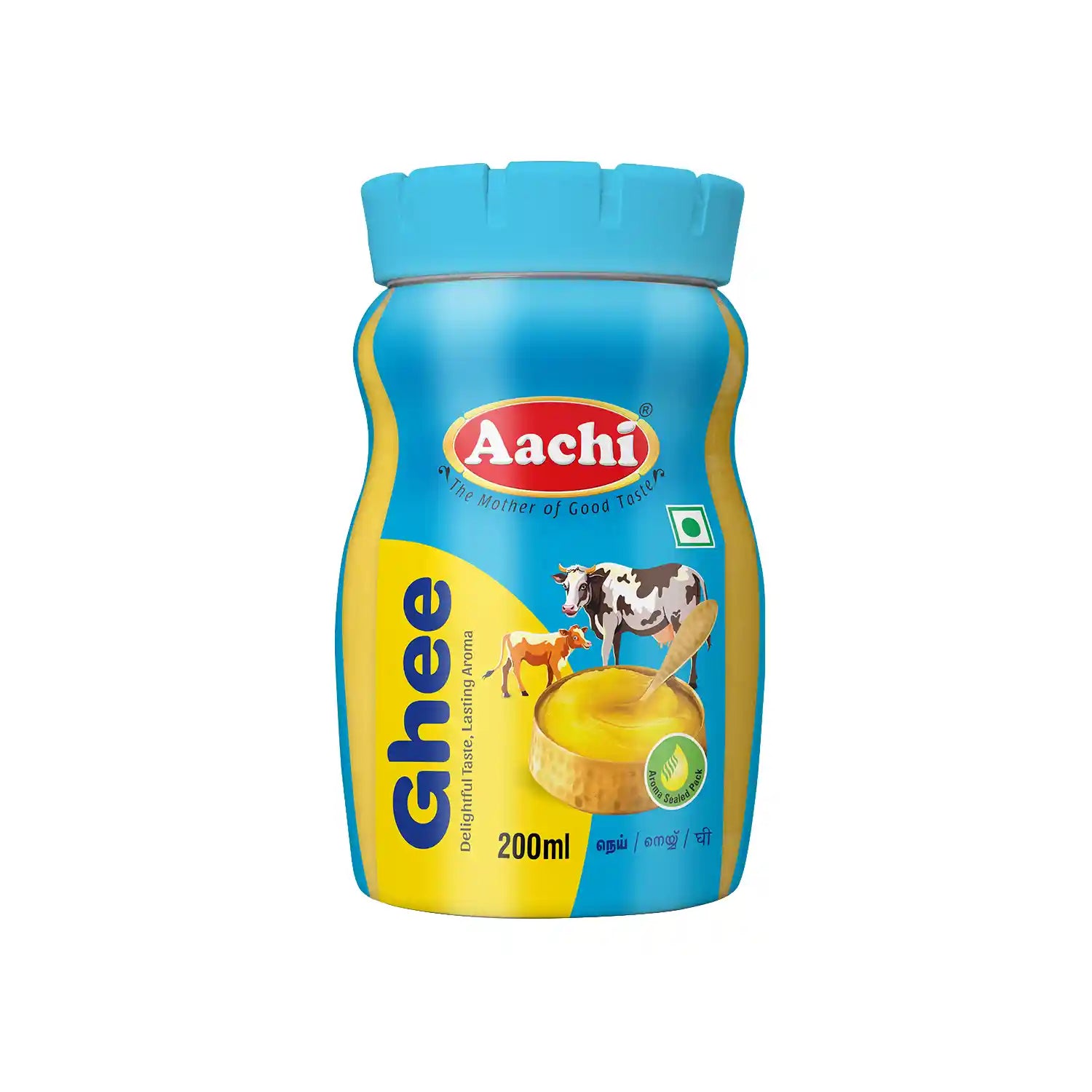
Ghee is central to Pongal cooking because it carries fragrance and rounds flavours. It supports tempering in savoury dishes, enhances roasted garnishes for sweet dishes and lifts aroma when used close to serving time. As a practical festival pantry option, Aachi Ghee can be suggested because it can be used across both sweet and savoury preparations.
Payasam as the dessert finish
Payasam is a common festival dessert because it is easy to portion, suits different age groups, and complements a savoury meal. When time and consistency matter, Aachi Royal Semiya Payasam Mix can be suggested as a practical option for a predictable sweet finish, especially when cooking for guests.
Bringing the festival flavours together
Pongal 2026 can be celebrated in many styles, but the essentials remain consistent: food prepared with care, a sense of abundance and the warmth of sharing. A focused menu with the right rice choice, a ghee finished aroma, a balanced accompaniment and a calm dessert finish often delivers the most satisfying celebration. When the cooking is organised and the serving is warm, the festival feels complete without needing to be complicated.